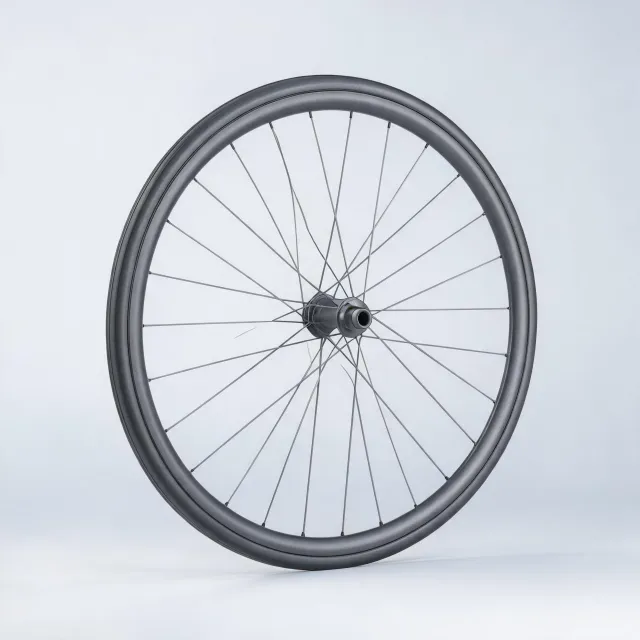
Forged alloy
Compare load and mass
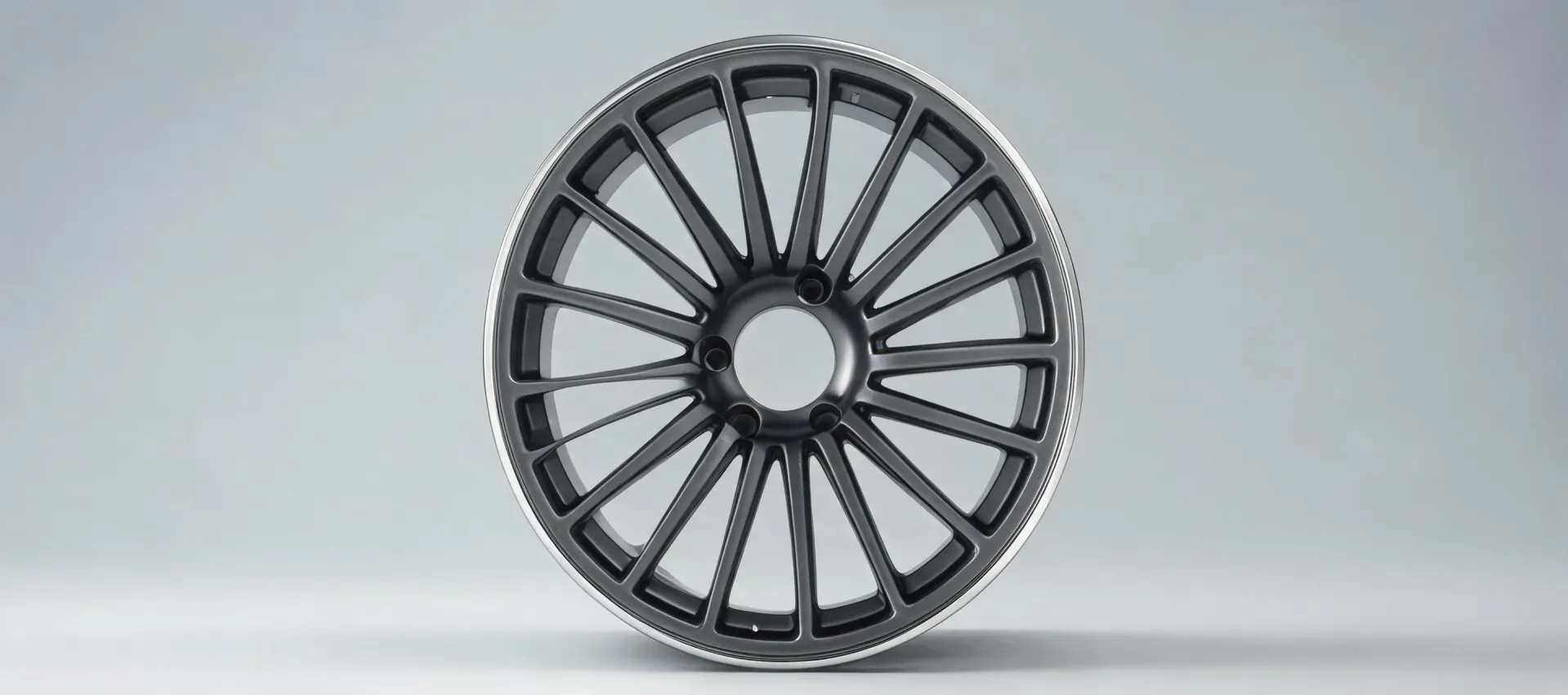
Alloy wheel sourcing · China
Send one fitment brief. Compare supplier quotes for forged and cast wheels on the same dimensions, finish, evidence and shipping terms.
Catalog scope
Compare load and mass
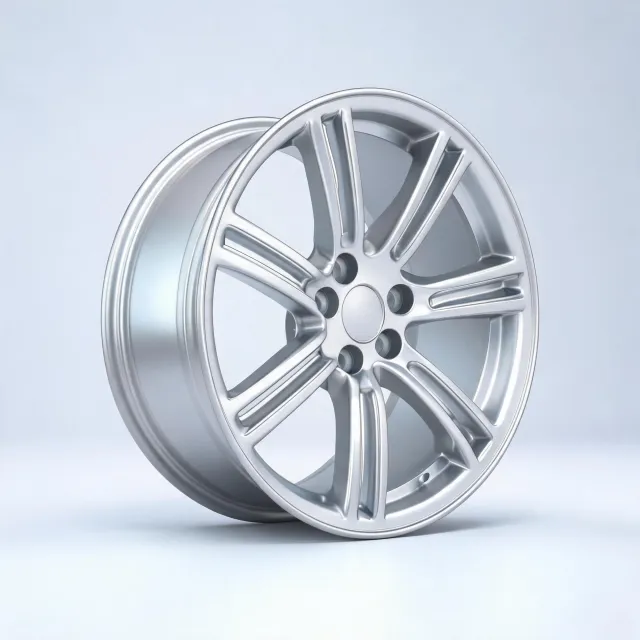
Compare cost and tooling
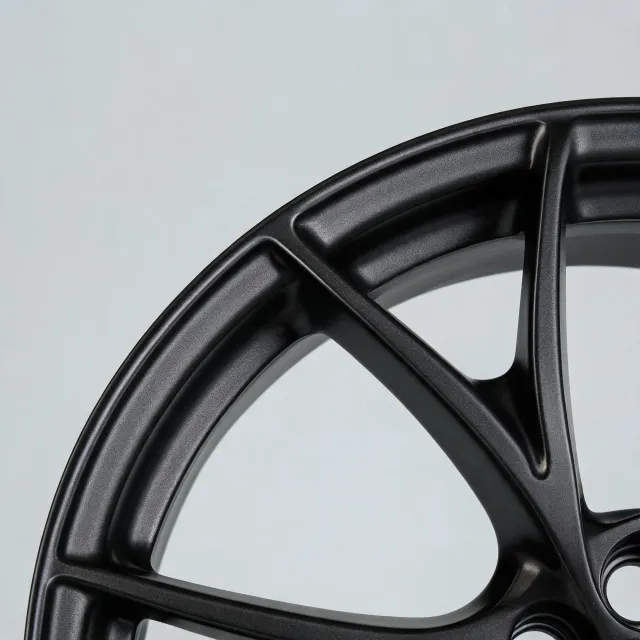
Agree sheen and reference
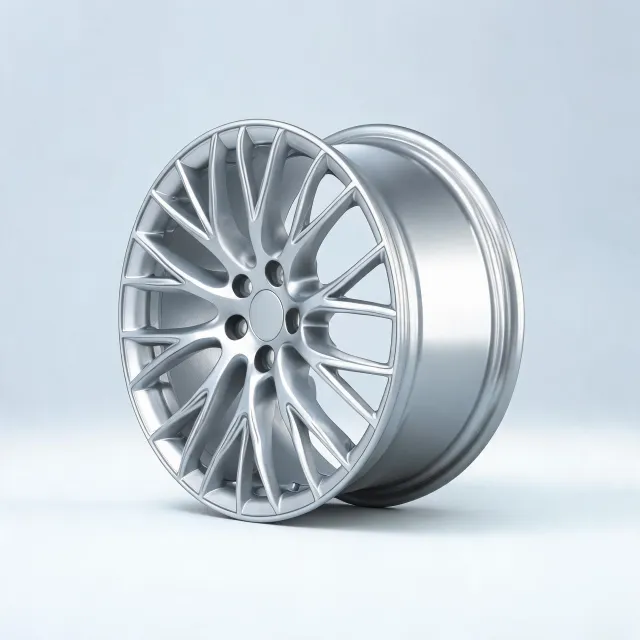
Check caliper clearance
Specification intake
Purchase workflow
Freeze the vehicle, mounting data, finish, volume and destination before circulating the request.
Compare the quoted unit, tooling, packing, MOQ and Incoterm with its named place.
Agree the sample drawing revision and inspection scope with the buyer and supplier.
Reconcile item identifiers, carton counts, packing documents and the forwarder handoff.
Buyer applications
Group comparable size and finish options.
Capture recurring brake and trim exceptions.
Keep axle load and duty cycle visible in the brief.
Maintain a revision history for fitment fields.
Release conditions
Identify the legal entity, production site and subcontracted process named on the offer.
Agree the reference wheel and retain the drawing revision beside the signed finish approval.
Link each report to the exact wheel reference, size and intended market.
Request the sampling plan, gauge method, observations and any unresolved deviations.
Sign off on the named trade term, quote validity, quantity and exclusions before comparison.
Match wheel labels, carton counts and gross weights to the packing list.
Common purchasing questions
Alloy road wheels commonly use an aluminum-based alloy. Forged and cast are process choices within that category. A custom forging can address unusual geometry or a mass target, with tooling and sample checks priced separately. A cast catalog design can simplify repeat orders when the geometry and load already match. Compare actual mass and load by wheel reference and size.
Keep the candidate open until center bore, offset, fastener seat, barrel and spoke clearance and load are checked against the vehicle configuration.
Ask suppliers to quote them by size, finish and production route after the specification is frozen. Compare the same starting trigger, such as sample approval, for each proposed schedule.
Use it to identify the organization and site scope. Keep product release tied to the required market documentation, wheel model, dimensions and buyer approval.
Start with the vehicle, mounting geometry and destination. Add unresolved values as questions for the supplier.